How often you really need an oil change
The real answer: follow your owner’s manual and the oil-life monitor, and don’t change more often than the maker calls for. Here’s what the primary sources say, with examples and the one-year rule most drivers miss.
The short answer
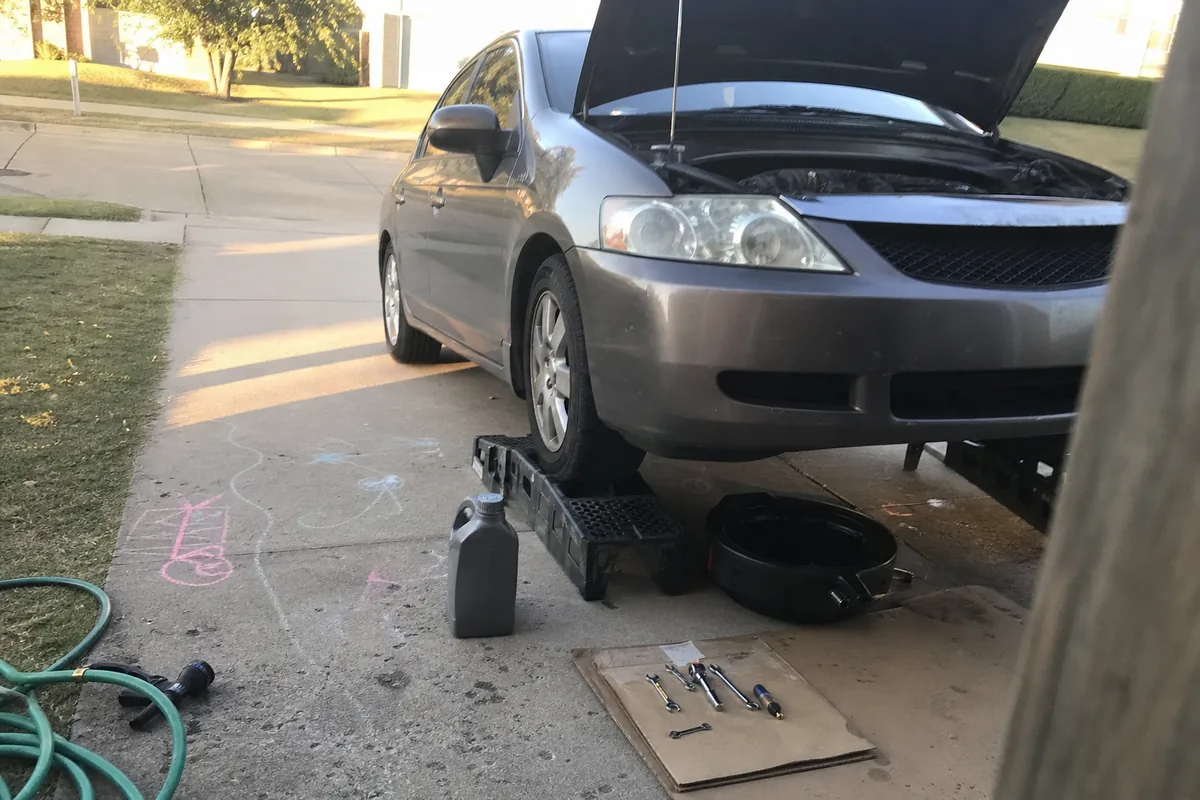
Many drivers want a single number for oil-change timing. The right number is the one in the owner’s manual or on the dash oil-life display.
State guidance backs that up. CalRecycle writes: "The old standard for motor oil changes was every 3,000 miles. Today, motorists should check their owner’s manuals for specific oil change recommendations based on make, model and driving conditions. … Many of today’s automakers recommend oil changes at 5,000, 7,000 or even 10,000 miles. If an automaker suggests changing oil less often than every 3,000 miles, this should not have an adverse effect on engine wear."
Why the 3,000-mile rule is outdated
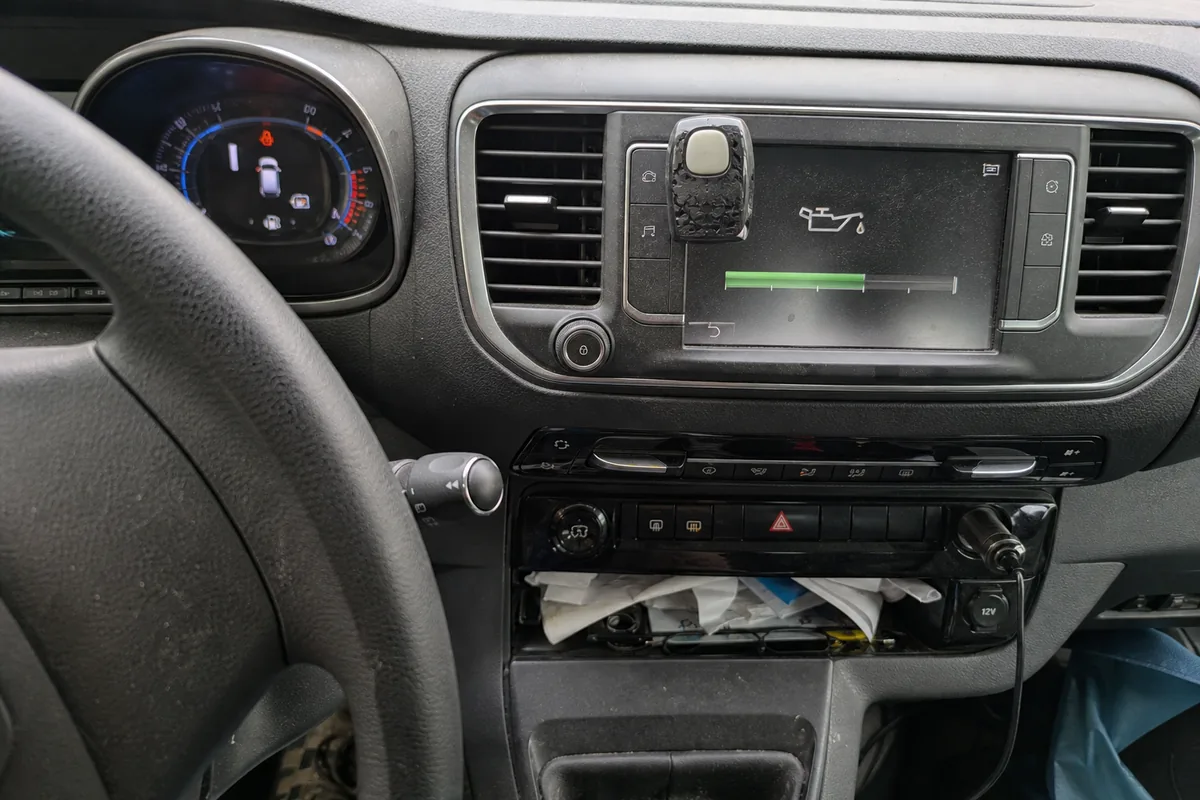
Modern engines run cleaner and hotter, and most use synthetic oil. Many cars also use an oil-life monitor. That is the dashboard system that estimates oil life based on your driving, not a fixed mileage.
Chevrolet is blunt about the old rule: "The majority of today’s Chevrolet vehicles are equipped with the Engine Oil Life System, which has made the 3,000-mile oil change obsolete."
The one-year rule built into oil-life systems
Oil-life systems watch starts, trips, temperature, and time. They do not let oil stay in forever.
Chevrolet explains the timing and the backstop. "When the “Change Engine Oil Soon” message displays, service is required for the vehicle as soon as possible (within the next 600 miles)." They add that the algorithm can stretch far in ideal use. "If driving under the best conditions, the Engine Oil Life System might not indicate the need for vehicle service for more than a year." But there is a hard stop. "The engine oil and filter must be changed at least once a year and the oil life system must be reset."
Real-world maker examples
Toyota spells out long intervals for cars set up for synthetic 0W-20. "NOTE: Your vehicle is certified with Toyota Genuine Motor Oil SN 0W-20 C5. Replace the oil filter and drain and refill the engine oil every 12 months or 10,000 miles, or when the oil maintenance reminder appears, whichever comes first."
Toyota also tells owners when to shorten the interval under harsh use. That covers the “Special Operating Conditions” in each manual. "For customers who primarily drive their vehicle under any of the listed Special Operating Conditions, the motor oil and filter should be replaced at 5,000 miles or six months, REGARDLESS OF THE OIL USED (OR CERTIFICATION OF THE VEHICLE)."
Public-service messaging from CalRecycle echoes the long range some vehicles allow: "“Oil man” number 1: Not anymore. Some cars can go up to 15, 000 miles between oil changes"
What this means for your wallet
Fewer oil changes mean fewer shop visits. The CalRecycle and OEM guidance above show why money stays in your pocket when you stop changing at 3,000 miles without cause.
There is an environmental win, too. The U.S. EPA puts it plainly: "After all, used oil from one oil change can contaminate one million gallons of fresh water — a years’ supply for 50 people!"
Recycling used oil also saves energy. The EPA notes: "One gallon of used motor oil provides the same 2.5 quarts of lubricating oil as 42 gallons of crude oil."
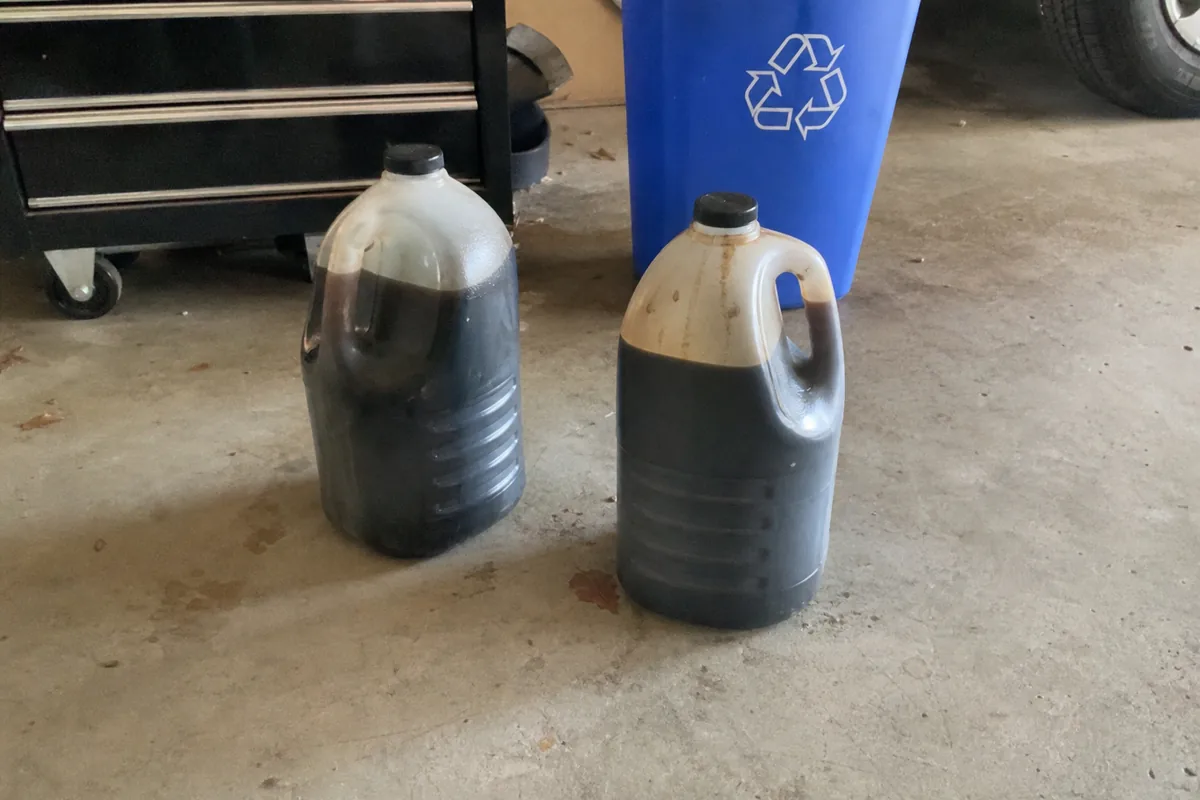
If you change your own oil, many communities take used oil. In California, "CalRecycle has certified over 3,000 used oil collection centers that will take used oil from the public and even pay a 40-cent-per-gallon recycling incentive."
Your warranty, your choice of shop
Federal law protects your right to choose parts and a shop. The Federal Trade Commission states: "Federal law says a manufacturer can't require you to use specific parts or services to keep the warranty coverage unless it gives you the parts and services for free or gets a waiver from the FTC to make that requirement."
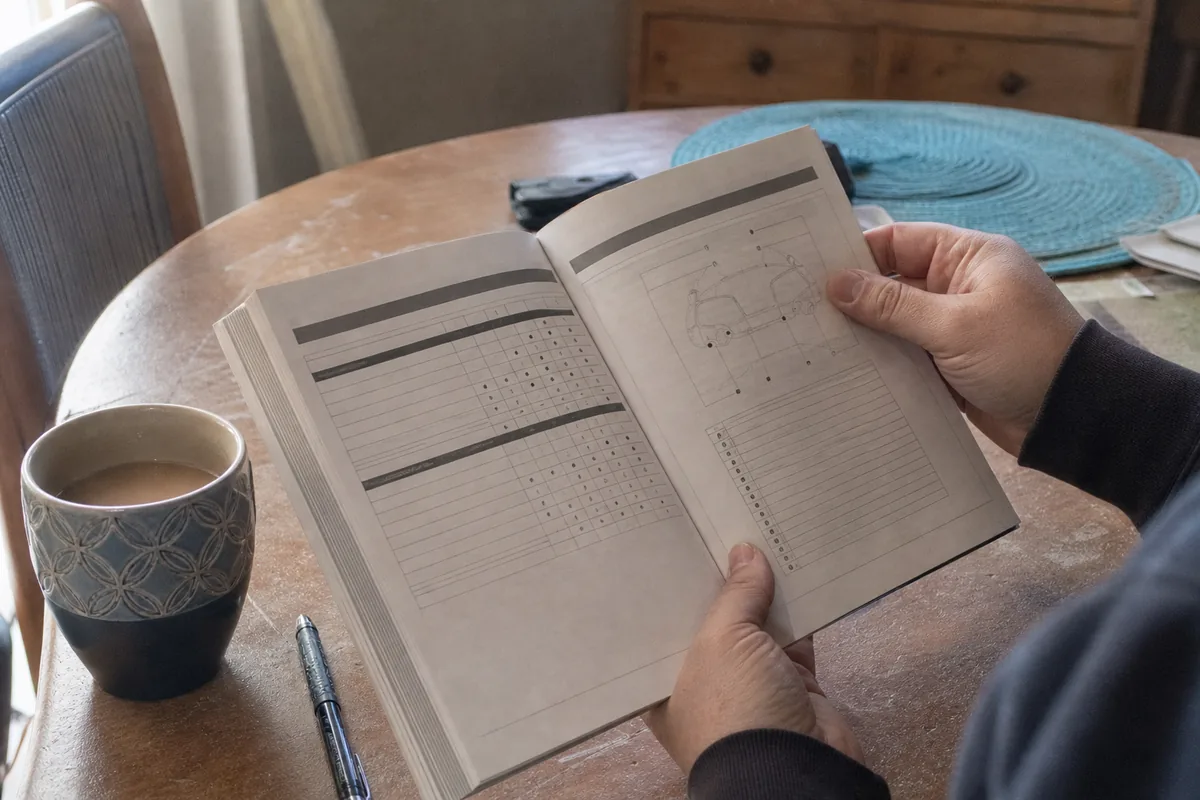
Service contracts are different. The FTC also explains the rules you must follow if you buy one. "The contract might require you to follow all the manufacturer’s recommendations for routine maintenance, like oil changes. If you don’t, it might void the contract and end coverage. Keep your service records and receipts to show you’ve maintained your vehicle."
How to set your oil-change interval
- Read the owner’s manual schedule.
- If your car has an oil-life monitor, follow it.
- Change oil at least once a year if your maker says so.
- If your manual lists “Special Operating Conditions,” use that shorter interval when they apply.
- Save invoices and receipts for every oil change.
- Recycle used oil at an approved site.
Planning a full upkeep budget? See this guide to how long car tires really last.
Bottom line
Change oil when your car’s maker or oil-life system tells you to, not by habit. Many modern cars go 5,000 to 10,000 miles between changes, and some can go longer, as the sources above show. Follow severe-service rules when they apply. Change at least once a year when your maker sets that cap, and keep records.
Sources
- Federal Trade Commission — Warranties
- Federal Trade Commission — Auto Warranties and Auto Service Contracts
- U.S. EPA — Managing, Reusing, and Recycling Used Oil
- CalRecycle — Used Oil Recycling Program
- CalRecycle — Promoting a More Sustainable California (Used Oil Management section)
- Toyota — 2024 Supra Warranty & Maintenance Guide (OEM PDF)
- Toyota — 2020 C‑HR Warranty & Maintenance Guide (OEM PDF)
- Chevrolet — How to maintain your vehicle’s engine oil
- Chevrolet — Oil Changes (Certified Service)
- CalRecycle — “Check Your Number” PSA transcript