What tire pressure your car should really run
Use the door placard, not the tire sidewall. Check it “cold” after at least three hours. That small habit protects safety, tire life, and fuel economy.
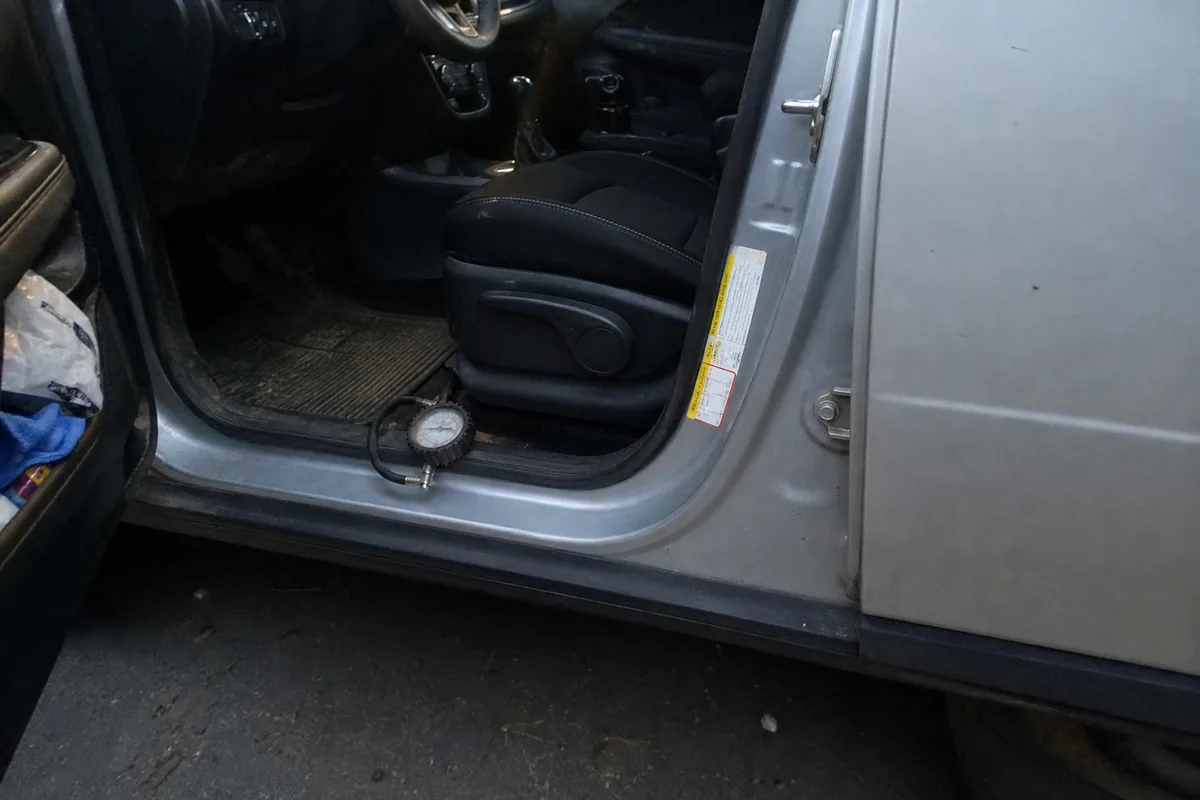
The exact PSI lives on your door placard
The right answer to that tire pressure question is on your car. Federal rules require a tire information placard with the carmaker’s pressures. NHTSA’s test procedure for FMVSS No. 110 says, "The vehicle placard, and if provided, the tire inflation pressure label is to be affixed to the driver’s side B-pillar." That is the door frame behind the driver’s seat.
The rule also spells out what the placard must show. In 49 CFR §571.110, the required placard lists "(c) Vehicle manufacturer’s recommended cold tire inflation pressure for front, rear and spare tires, subject to the limitations of §4.3.4." Use those exact cold pressures. Front and rear may differ. Many cars also list a spare tire pressure there.
Skip the number on the tire itself. FuelEconomy.gov says, "Do not use the maximum pressure printed on the tire's sidewall." That sidewall number is a tire limit, not the vehicle’s recommendation.
Check pressure “cold” for a true reading
Heat raises pressure as you drive. That can mask a low tire. NHTSA’s TireWise advice is clear: "Check tire pressure when “cold” (at least three hours after driving) for an accurate reading." Early morning before the first trip works well.
A simple check looks like this:
- Park and let the car sit for at least three hours.
- Read the placard PSI for front, rear, and spare.
- Use a quality gauge on each valve. Write the numbers down.
- Add air to reach the placard PSI. Bleed air if it is over.
- Recheck each tire with the gauge.
Match the front and rear to the placard. Then check the spare. The placard covers it too.
Why the right PSI matters
Handling and braking work best when tires are set right. Tires also last longer when they do not run soft. If tire longevity is a focus, see the guide to how long car tires really last.
Proper inflation also saves fuel. FuelEconomy.gov puts a number on it: "You can improve your gas mileage by 0.6% on average—up to 3% in some cases—by keeping your tires inflated to the proper pressure." The same source quantifies the penalty for running low. "Under-inflated tires can lower gas mileage by 0.2% for every 1 psi drop in pressure of all four tires."
That is real money over time. It is also less range anxiety for hybrids and EVs. The fix is free air and a few minutes with a gauge.
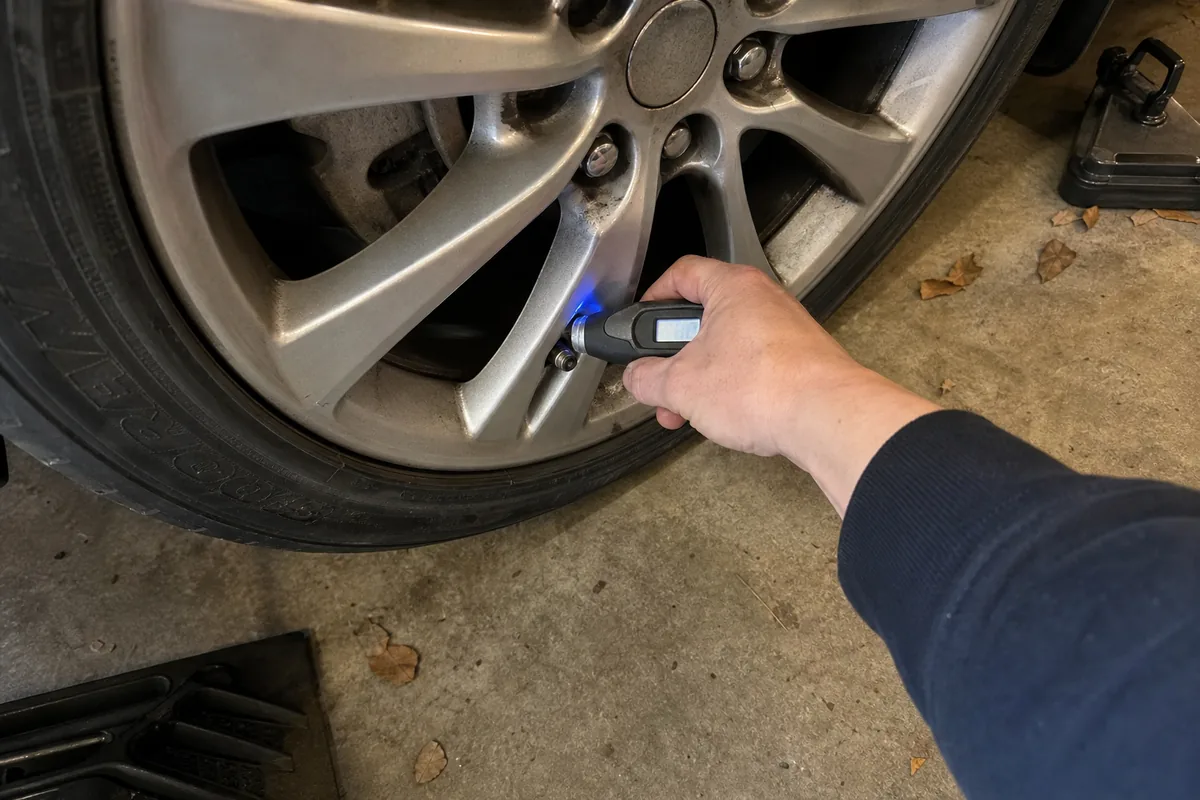
Don’t wait for the TPMS light
Most cars have a tire pressure monitoring system (TPMS). TPMS is a warning system, not a maintenance reminder. It lights up after a significant loss. It does not tell a driver that tires are a bit low on a cold snap. Check pressure on a schedule that works, and any time the weather swings.
If the TPMS light is on, stop and check now. Use the placard PSI to set all four tires. Then reset the TPMS if the car requires it.
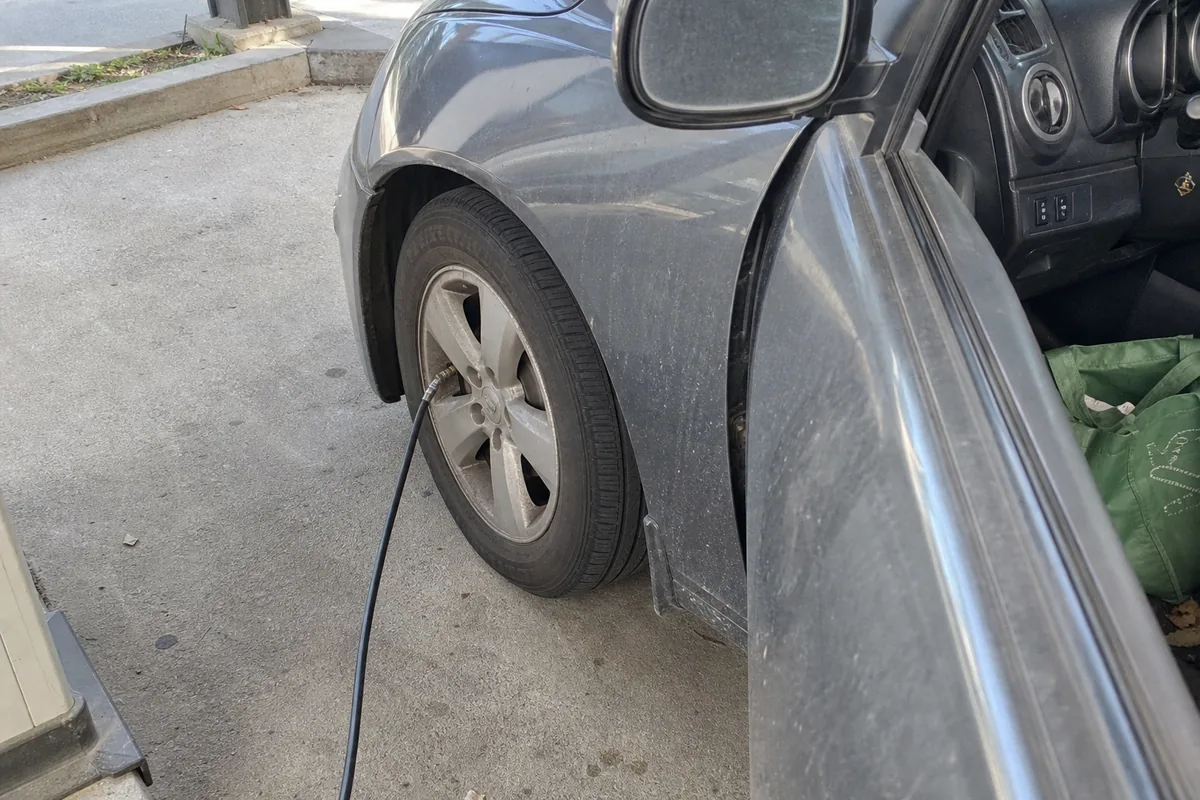
Sidewall vs. placard: which number wins
Tires list a maximum pressure on the sidewall. That is not the target PSI for a vehicle. FuelEconomy.gov’s sentence is the simplest guide: "Do not use the maximum pressure printed on the tire's sidewall."
The carmaker chose its pressures for that exact model. The placard ties those pressures to the suspension, weight, and tire size the car was built with. That is why the federal rule requires it and puts it on the driver’s side B-pillar.
What if the tires or wheels are different than stock
If tire size or wheel size has been changed from stock, the placard may no longer be a perfect match. The safe path is to ask a trusted tire shop to set a baseline. Then watch wear and driving feel. Keep a photo of the placard on your phone as a reference if the car returns to stock later.
Quick answers to common habits
- Check pressures cold. NHTSA says, "Check tire pressure when “cold” (at least three hours after driving) for an accurate reading."
- Use the door placard PSI, not the sidewall.
- Recheck after adding air. Gauges and pumps can differ.
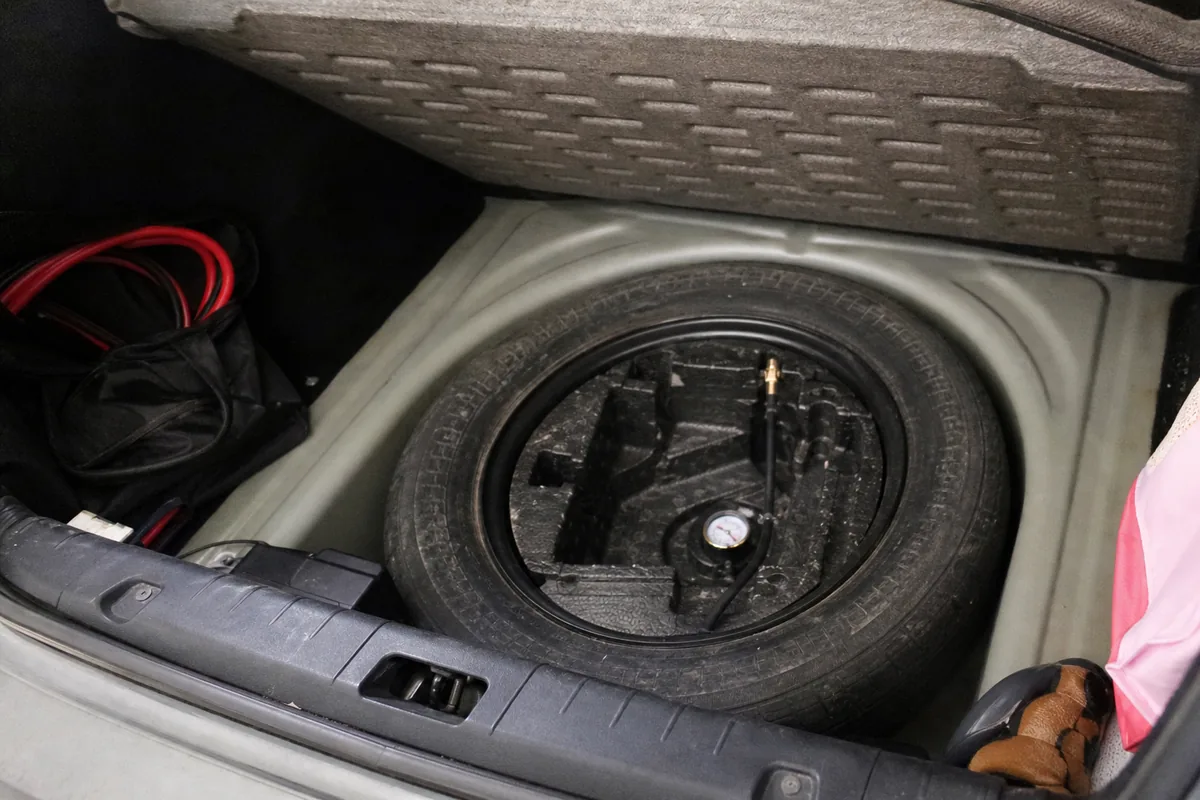
- Look at the spare, too. The rule includes it on the placard.
Build a simple routine. Keep a gauge in the glove box. Glance at tires when fueling. Top up after a temperature drop. Small habits keep tires happy.